New exhibition about Belarusian life in 1926
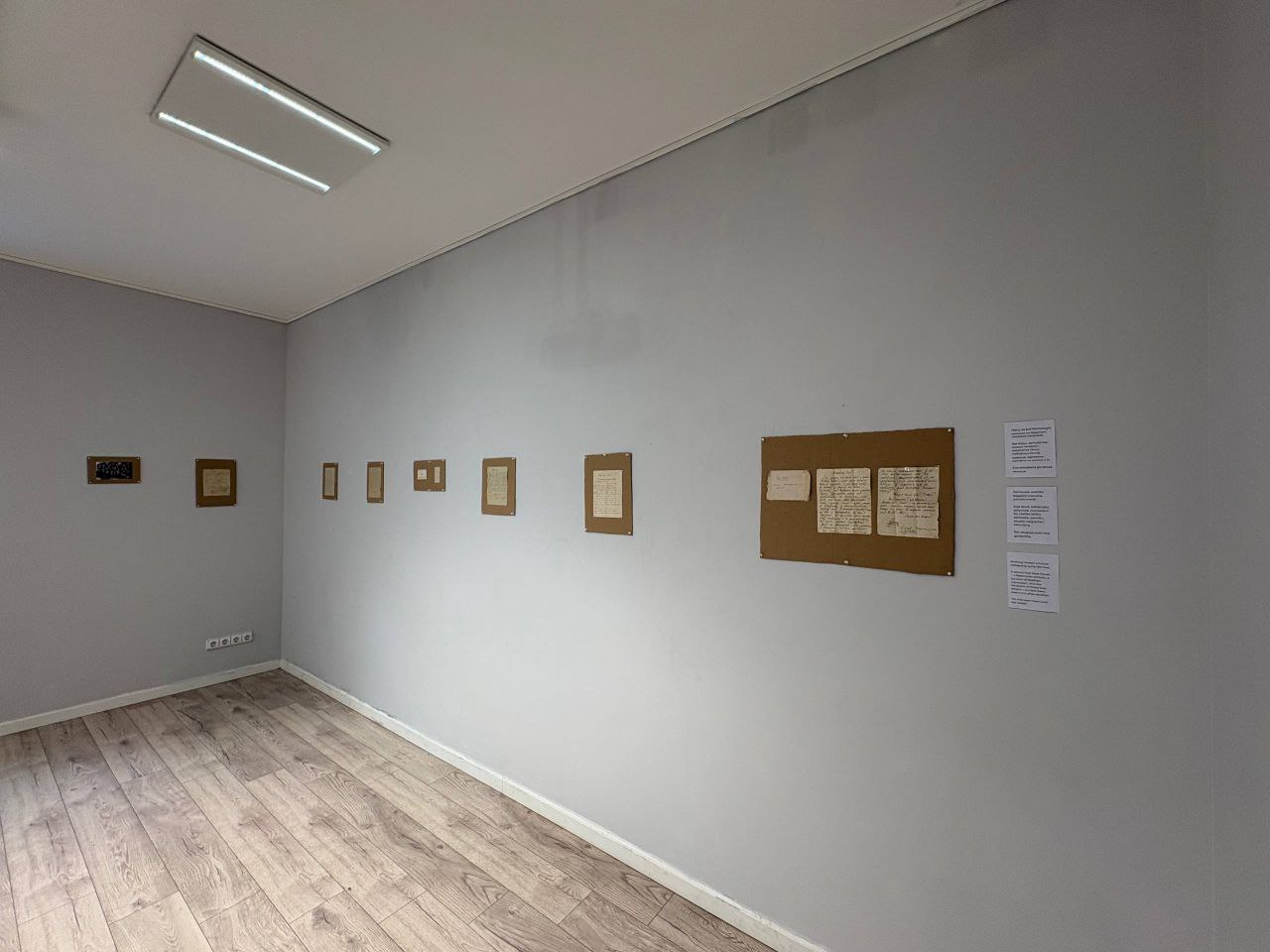
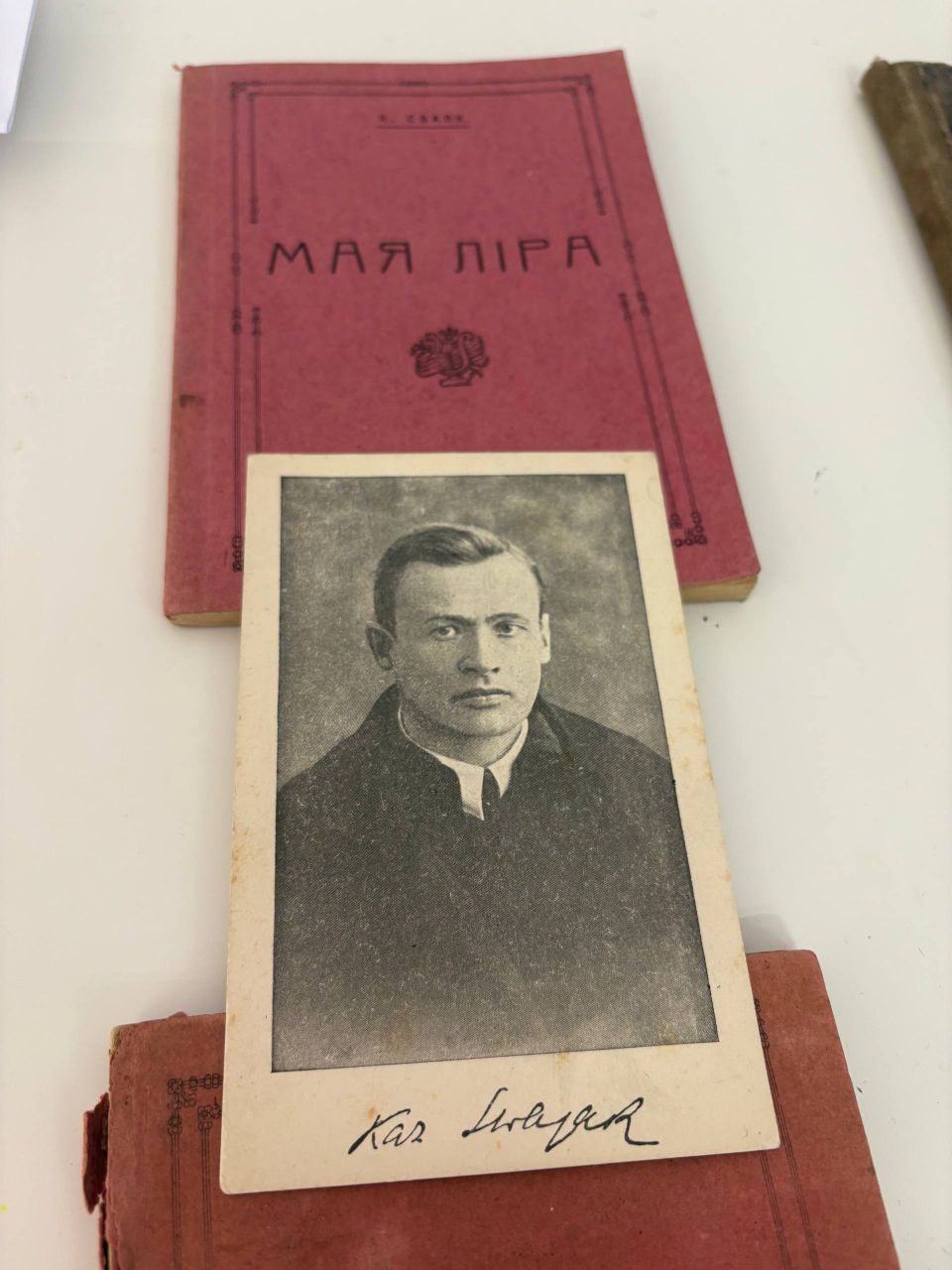
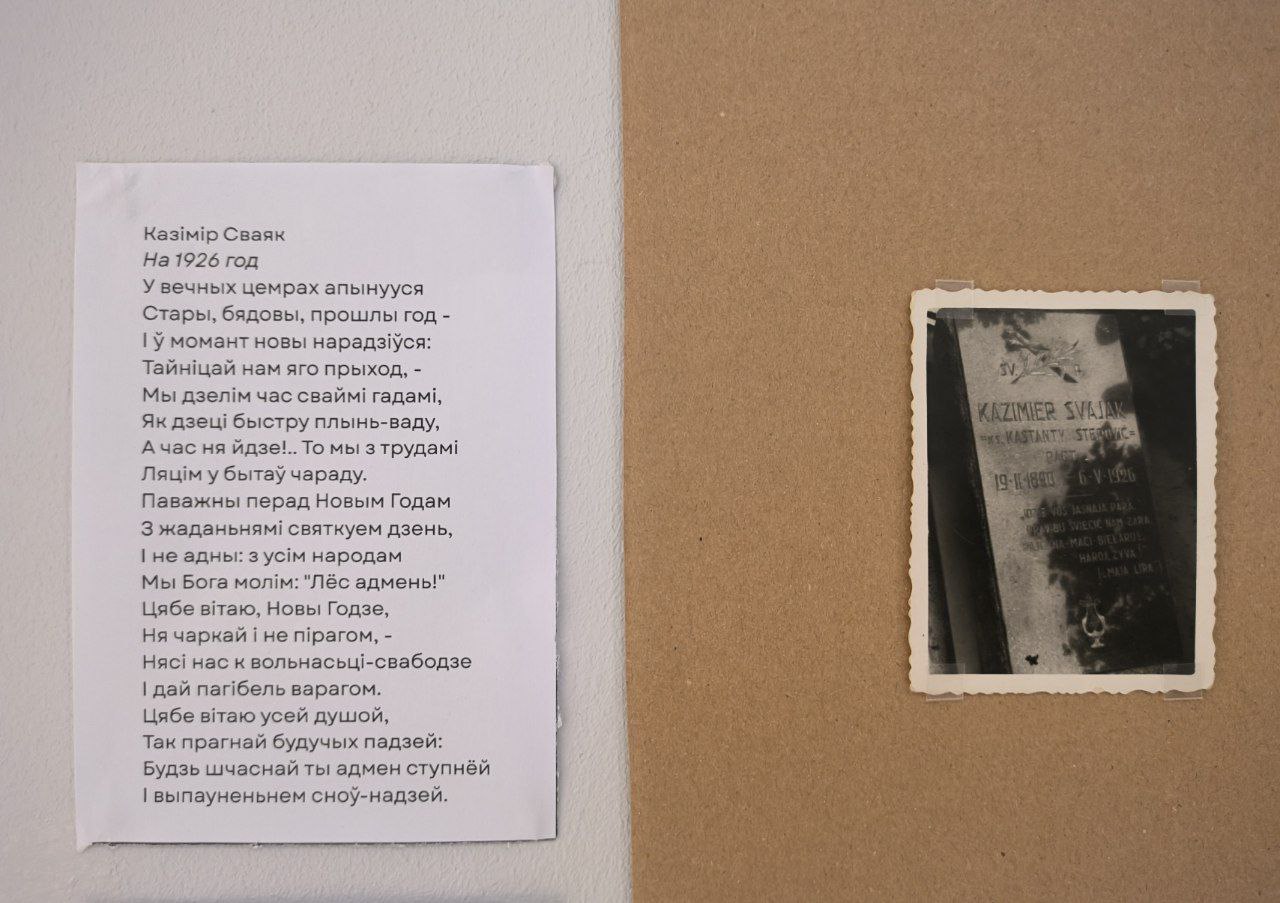
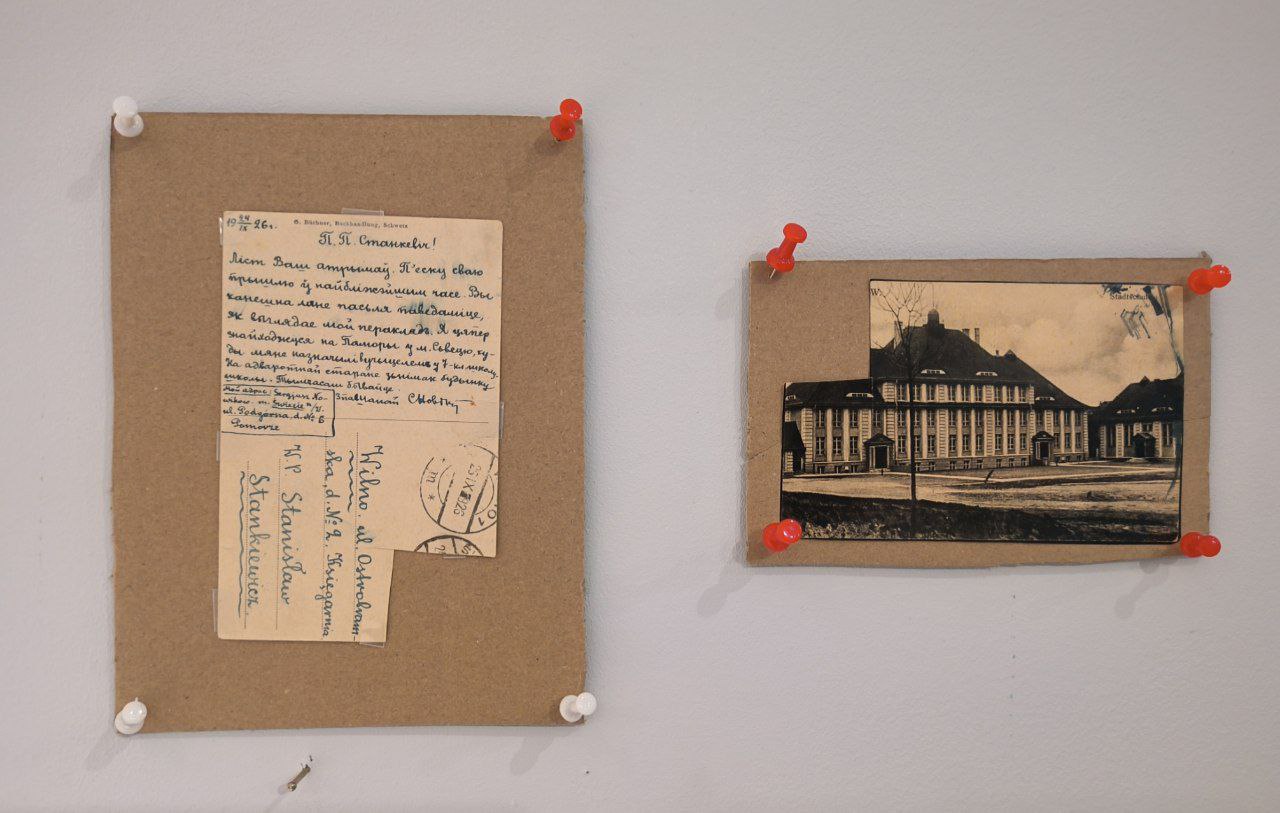
While the internet is flooded with images from 2016, the Ivan Lutskevich Belarusian Museum in Vilnius invites visitors to a new exhibition titled “1926: An Exhibition About the Future.” The exhibition features Belarusian books published in 1926, love letters written that year by students of the Vilnius Belarusian Gymnasium, and postcards by Belarusian poets.
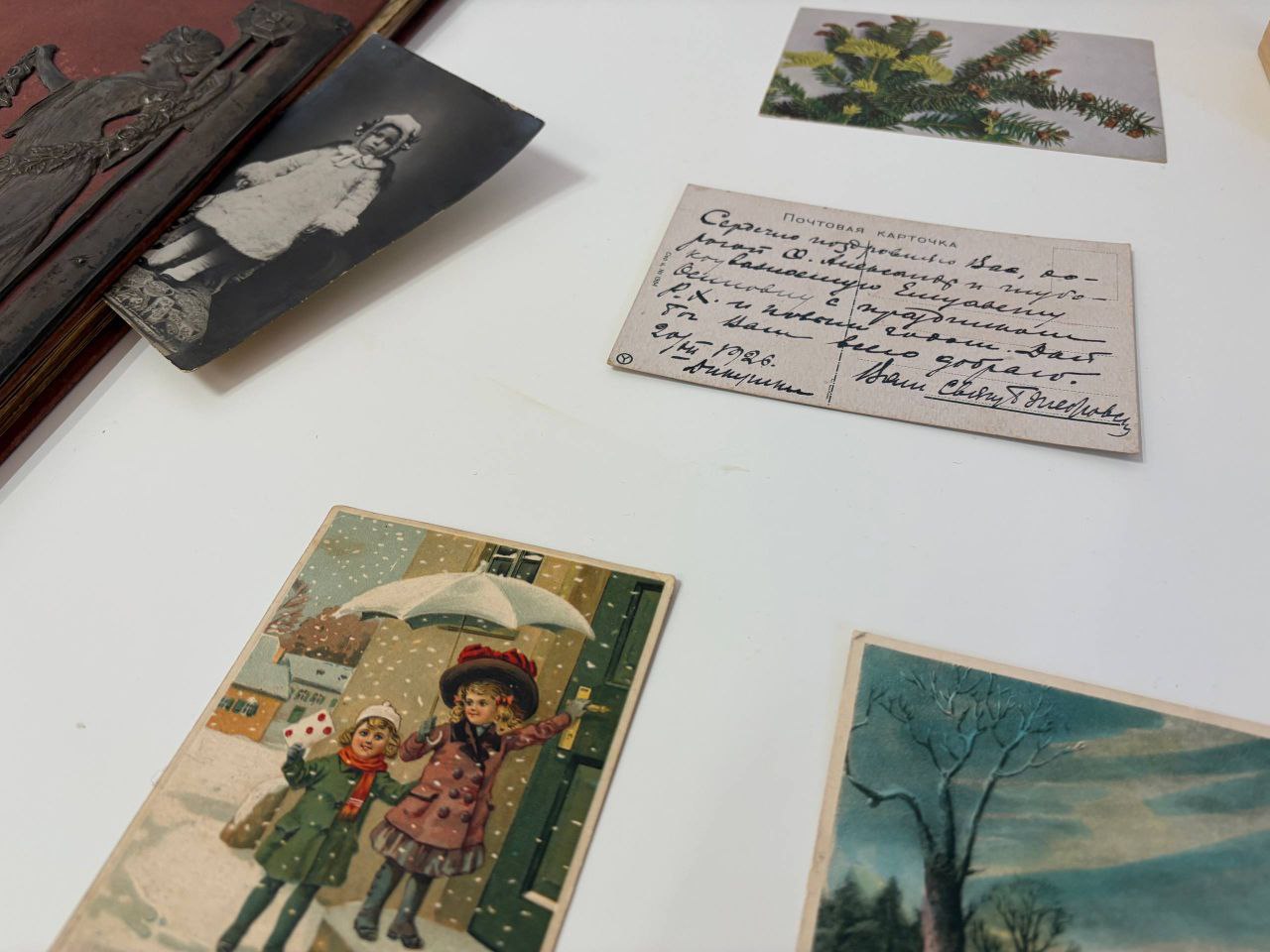
“1926 may not seem particularly remarkable at first glance,” admit the museum’s curators. “Yes, in Minsk the leading linguists of the time were gathering for a legendary conference, the Soviet authorities were investing in new printing typefaces, and from that year onward Belarusian books published in Vilnius and Minsk would never again follow a single shared visual style. But in many ways, 1926 was another year of trying to return to normal life after the devastation of the First World War — unaware of the far more monstrous collapse that would soon follow with the Second.”
And yet, the objects on display reveal what mattered to Belarusians at the time. “That’s why we see this as an exhibition about the future. Everything we do is done for the future, and the only way to understand the past is to understand which futures people imagined, feared, and longed for.”
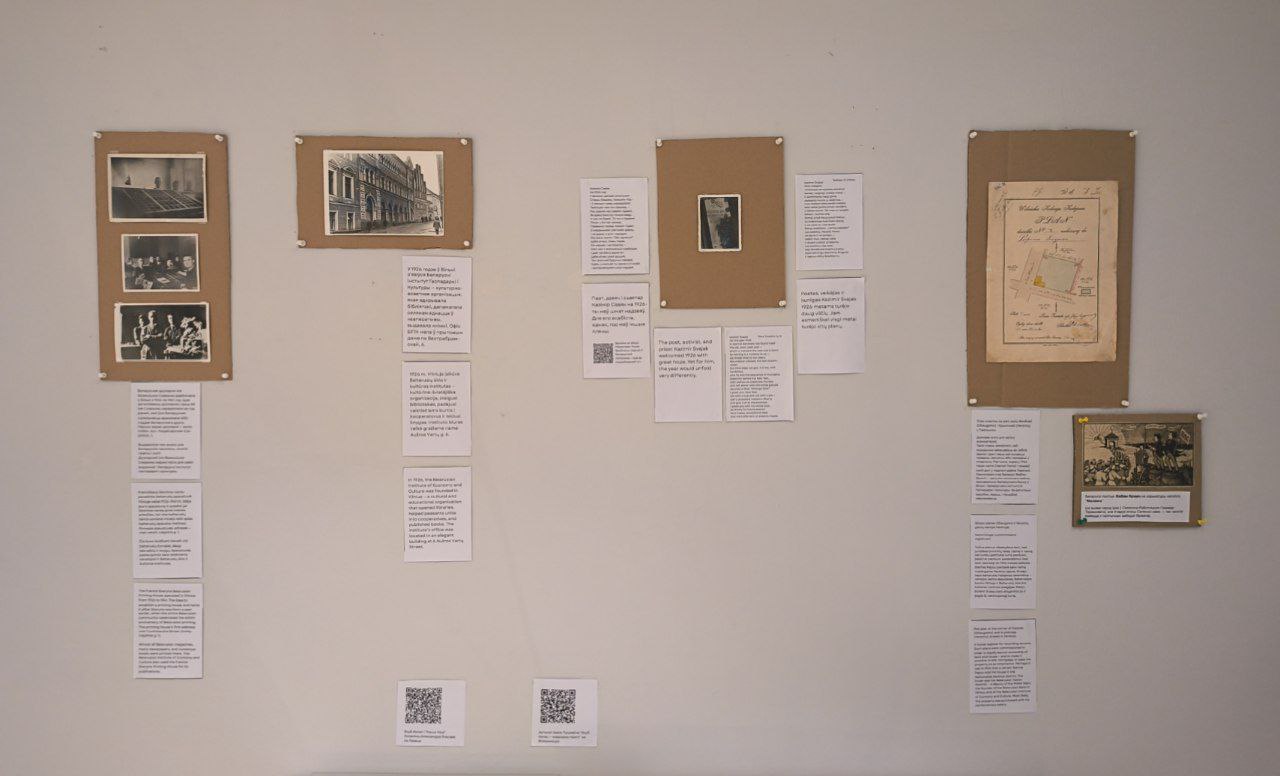
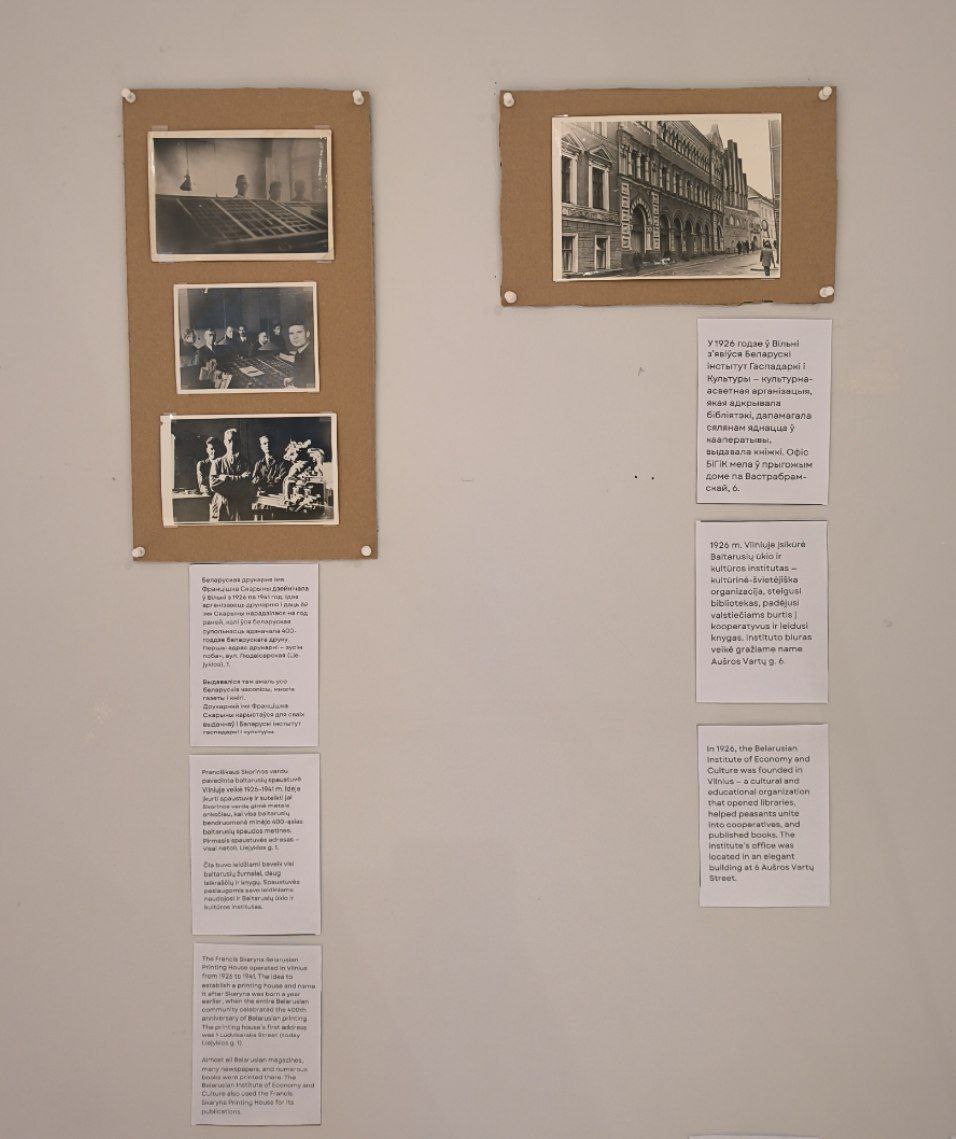
Visitors are invited to reconstruct those visions of the future through school textbooks on the Old Testament and basket weaving, photographs of newly opened institutions in Vilnius — such as the Skaryna Belarusian Printing House and the Institute of Economy and Culture — and other materials from everyday life.
“In a hundred years, we’ll make an exhibition about 2026,” the museum staff warn half-jokingly, prompting us to wonder what such an exhibition might contain.
The exhibition can be visited during the museum’s opening days — Wednesday to Sunday, 14:00–20:00. Admission is free. The museum is located in the courtyard at Vilniaus g. 20, Vilnius.
Those who are not in Vilnius are invited to explore the exhibition through the museum’s virtual collection, where the books can be browsed and the letters examined in detail.